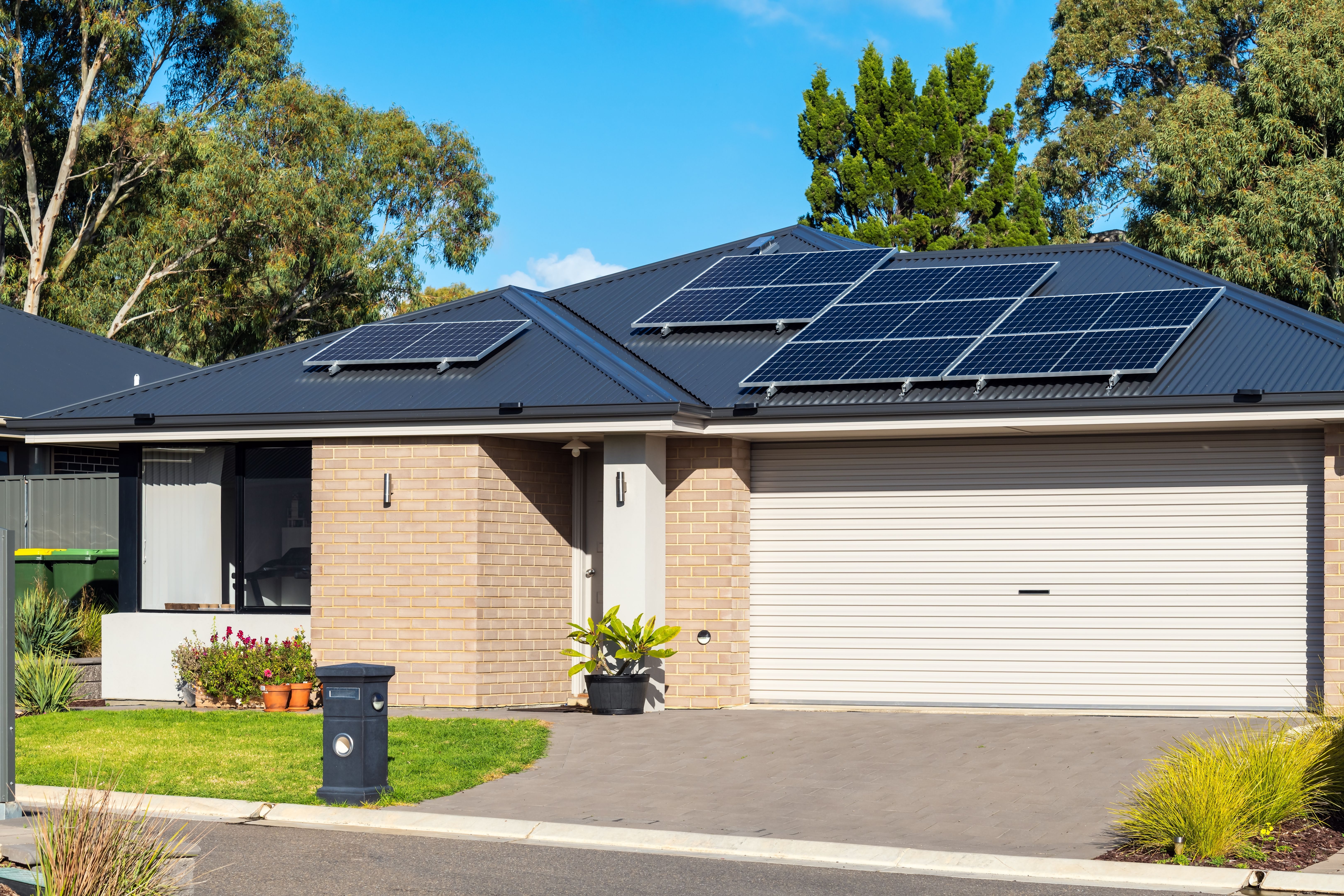
Buying Land and Building a Home in Australia: A Decade of Change (2015 vs 2025)
Introduction
The Australian real estate landscape has seen significant changes over the past decade, particularly in the realm of buying land and building homes. From fluctuating property prices to shifts in government policy, the journey from 2015 to 2025 has been marked by numerous developments. Understanding these changes can offer valuable insights for potential buyers and industry professionals alike.
Property Prices and Market Trends
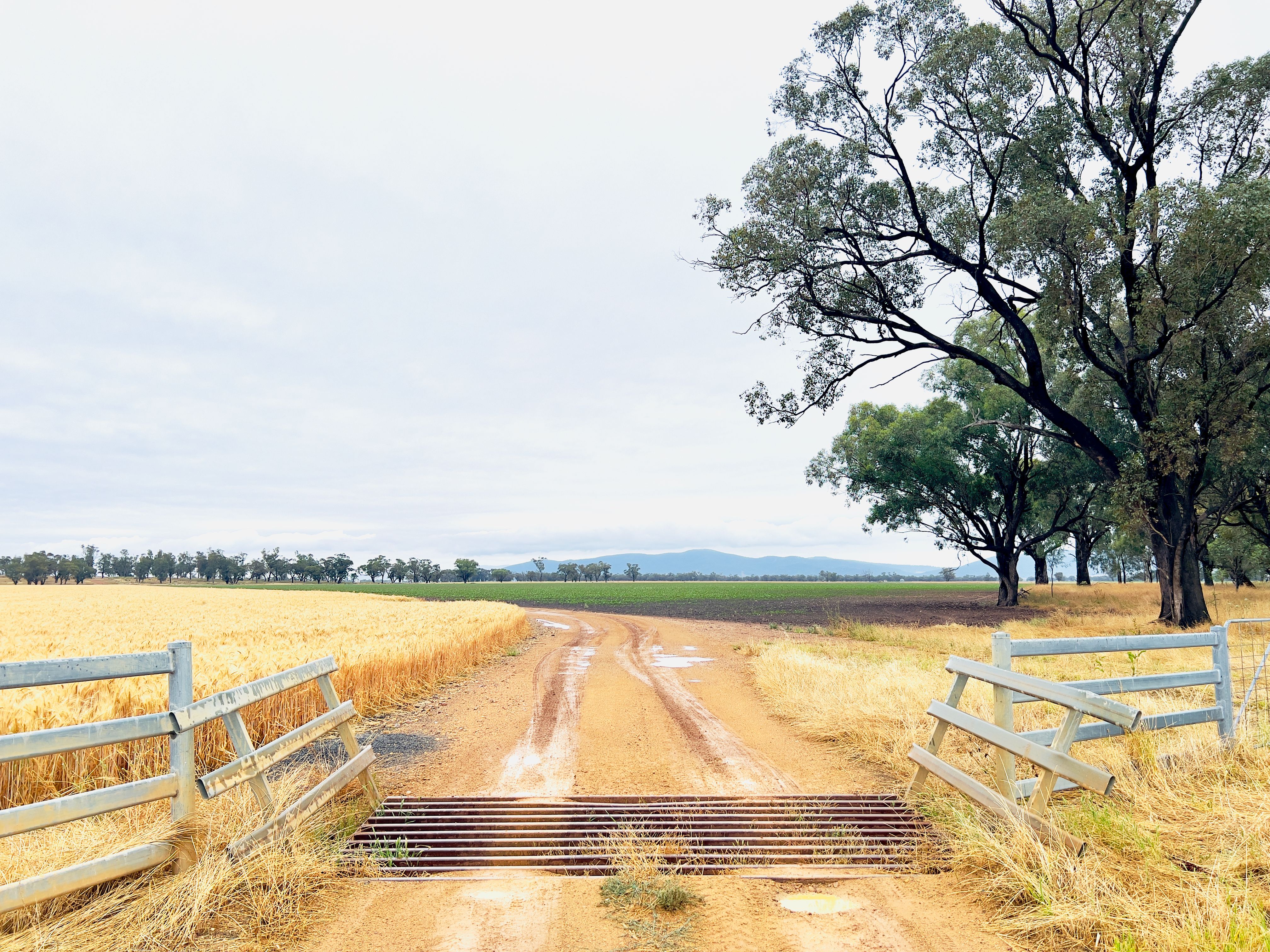
In 2015, the Australian property market was experiencing a surge, with major cities like Sydney and Melbourne witnessing rapid price increases. This trend was driven by a combination of low interest rates and strong population growth. Fast forward to 2025, and the landscape has evolved. While prices in urban areas remain high, there has been a noticeable shift towards regional centers as more people seek affordable options and a better quality of life.
The introduction of technology and data analytics in real estate has also influenced market trends. Buyers now have access to more detailed information, allowing for informed decisions. This technological advancement has made the process more transparent and competitive.
Government Policies and Incentives
Over the decade, government policies have played a crucial role in shaping the housing market. In 2015, incentives such as the First Home Owner Grant were pivotal in assisting new buyers. By 2025, these incentives have been expanded and diversified to cater to a broader audience, including environmentally sustainable building practices.
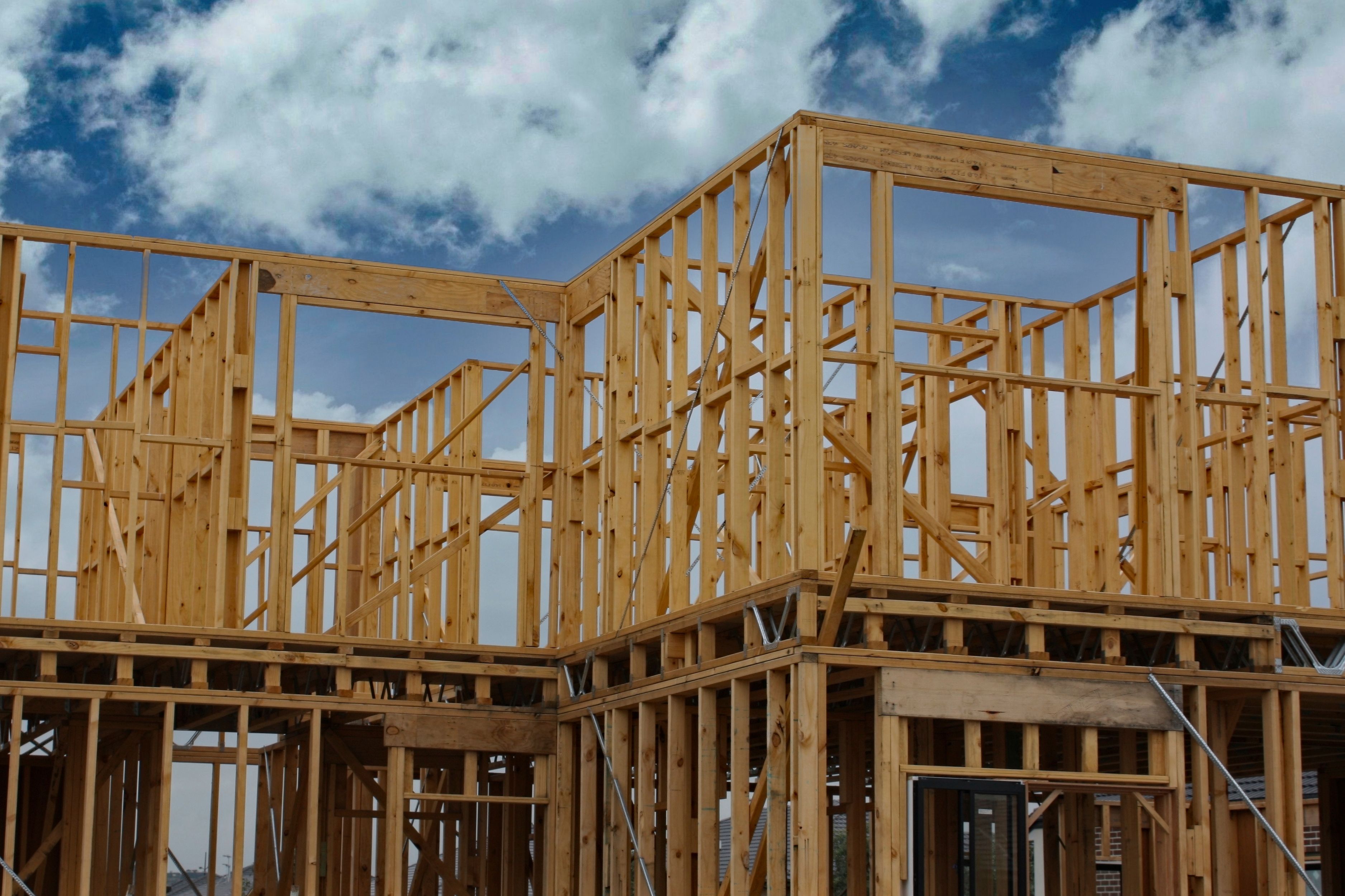
In addition to grants, zoning laws and regulations have undergone revisions to accommodate changing demands. The emphasis on sustainable development has led to stricter building codes focused on energy efficiency and environmental impact.
Technological Advancements in Construction
The construction industry in Australia has embraced innovation over the past decade. In 2015, traditional building methods were predominant, but by 2025, advancements such as modular construction and 3D printing have begun to revolutionize the sector. These technologies offer faster build times and reduced costs, making homebuilding more accessible.
Moreover, smart home technology has become a standard expectation for new builds. Features such as automated lighting, security systems, and energy management are now commonplace, adding value and convenience for homeowners.
Environmental Considerations
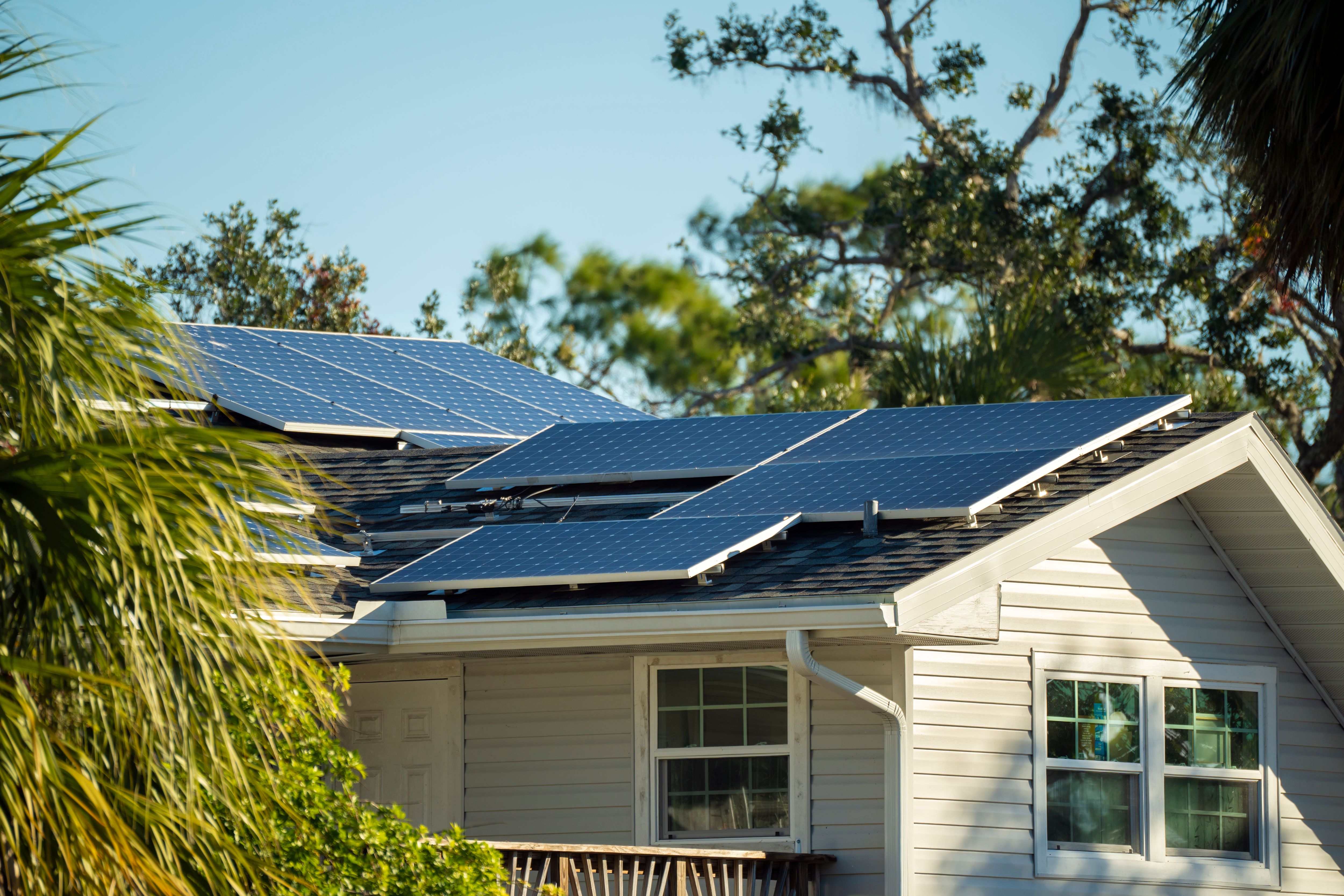
With growing awareness of environmental issues, sustainability has become a key consideration in homebuilding. In 2015, eco-friendly homes were often seen as niche markets. By 2025, however, sustainable practices have become mainstream. Buyers are increasingly prioritizing energy-efficient designs, renewable energy sources, and sustainable materials in their new homes.
The Australian government has also implemented stricter regulations to ensure new constructions meet environmental standards, encouraging builders and developers to adopt green practices.
Future Outlook
Looking ahead to the rest of 2025 and beyond, the Australian housing market is expected to continue evolving. Urban planning will likely focus on creating livable cities with an emphasis on public transport access and community amenities. The demand for smart, sustainable homes will persist as technology continues to advance.
For prospective buyers and investors, staying informed about these trends is essential. As the market adapts to new challenges and opportunities, those who embrace change will be best positioned to succeed in the dynamic world of real estate.